What Vietnam can teach us about the art of hospitality
There is another reason Vietnam interests me so much, and it goes beyond its fascinating traditions, extraordinary landscapes and everyday curiosities.
It is the way the country encourages us to reconsider what hospitality actually means.
We often encounter hospitality through the things that can be described, photographed and compared. The size of a room, the quality of the furnishings, the facilities, the breakfast, the view. These are important considerations, particularly when we are choosing where to stay. Yet they reveal surprisingly little about what it might actually feel like to be there.
Vietnam offers an interesting counterpoint because so many of its memorable experiences are shaped by relationships rather than elaborate settings.
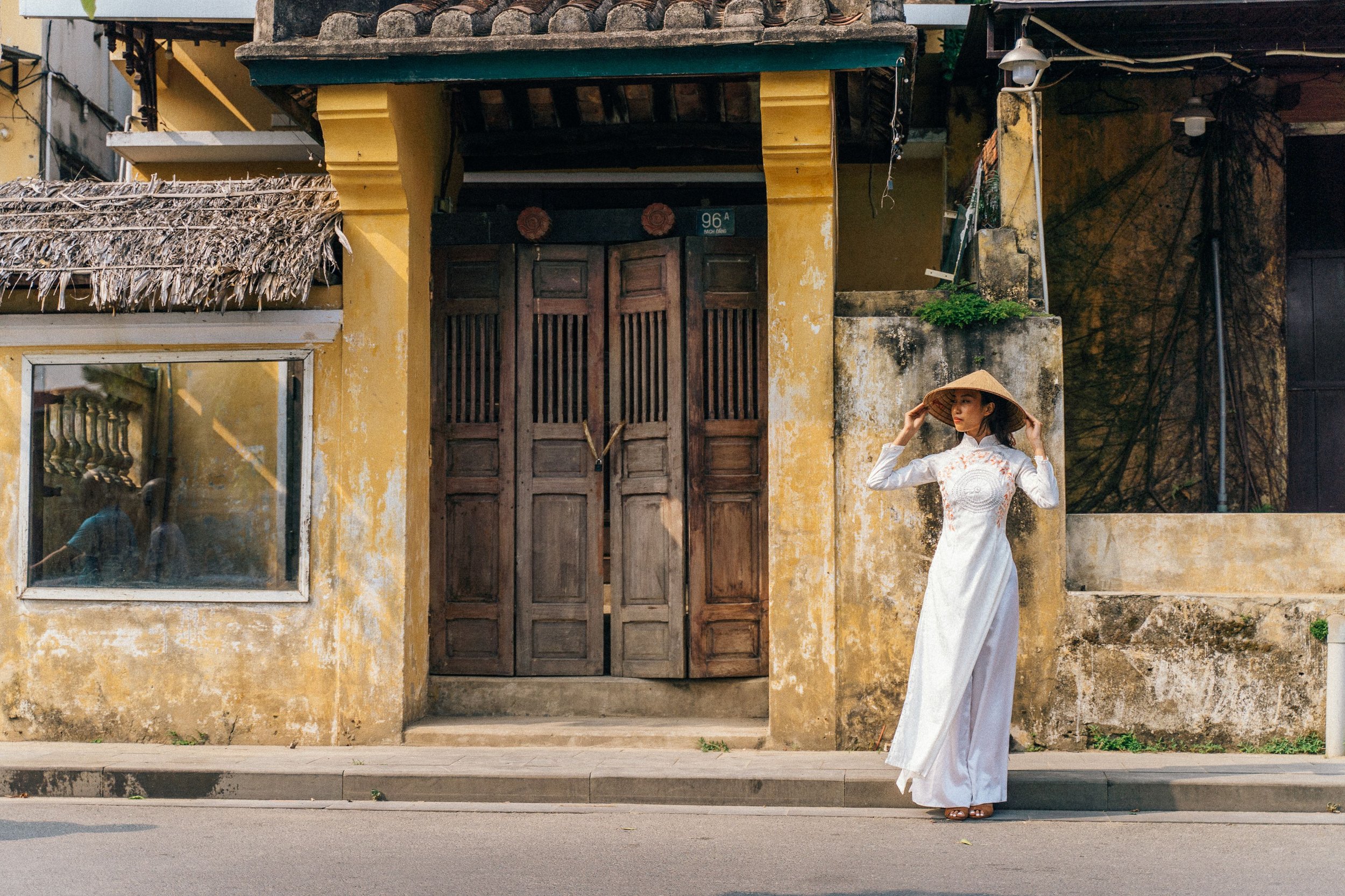
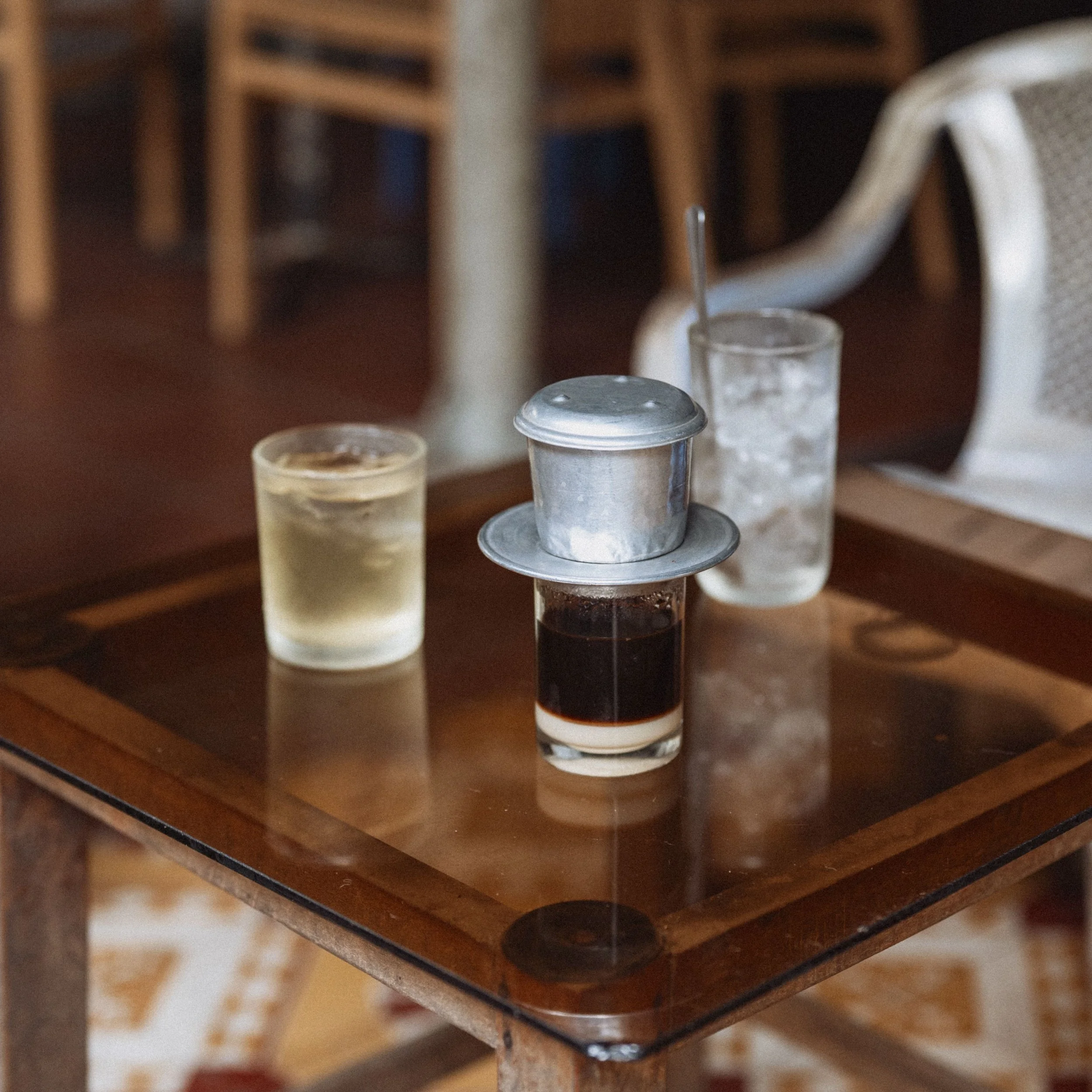
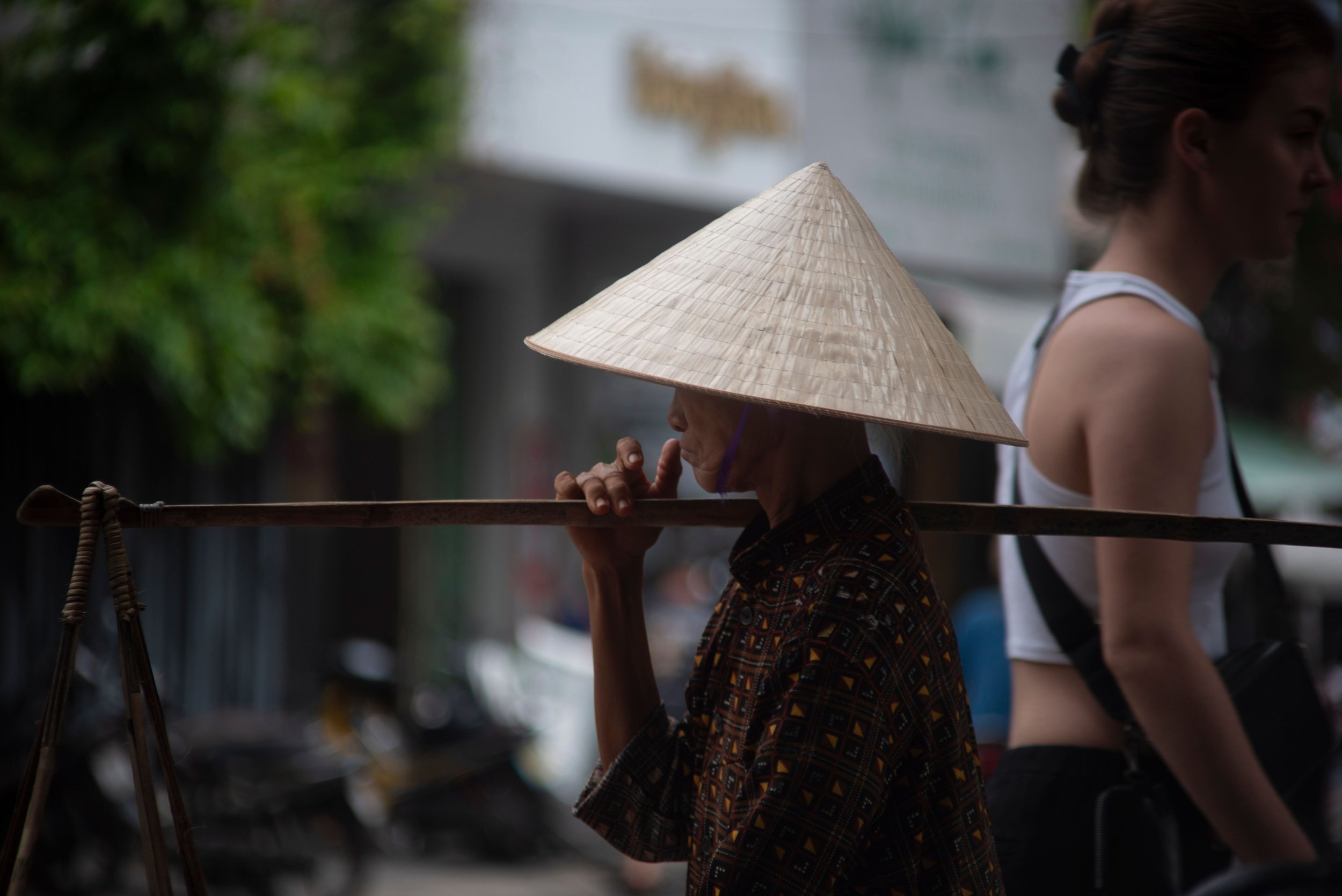
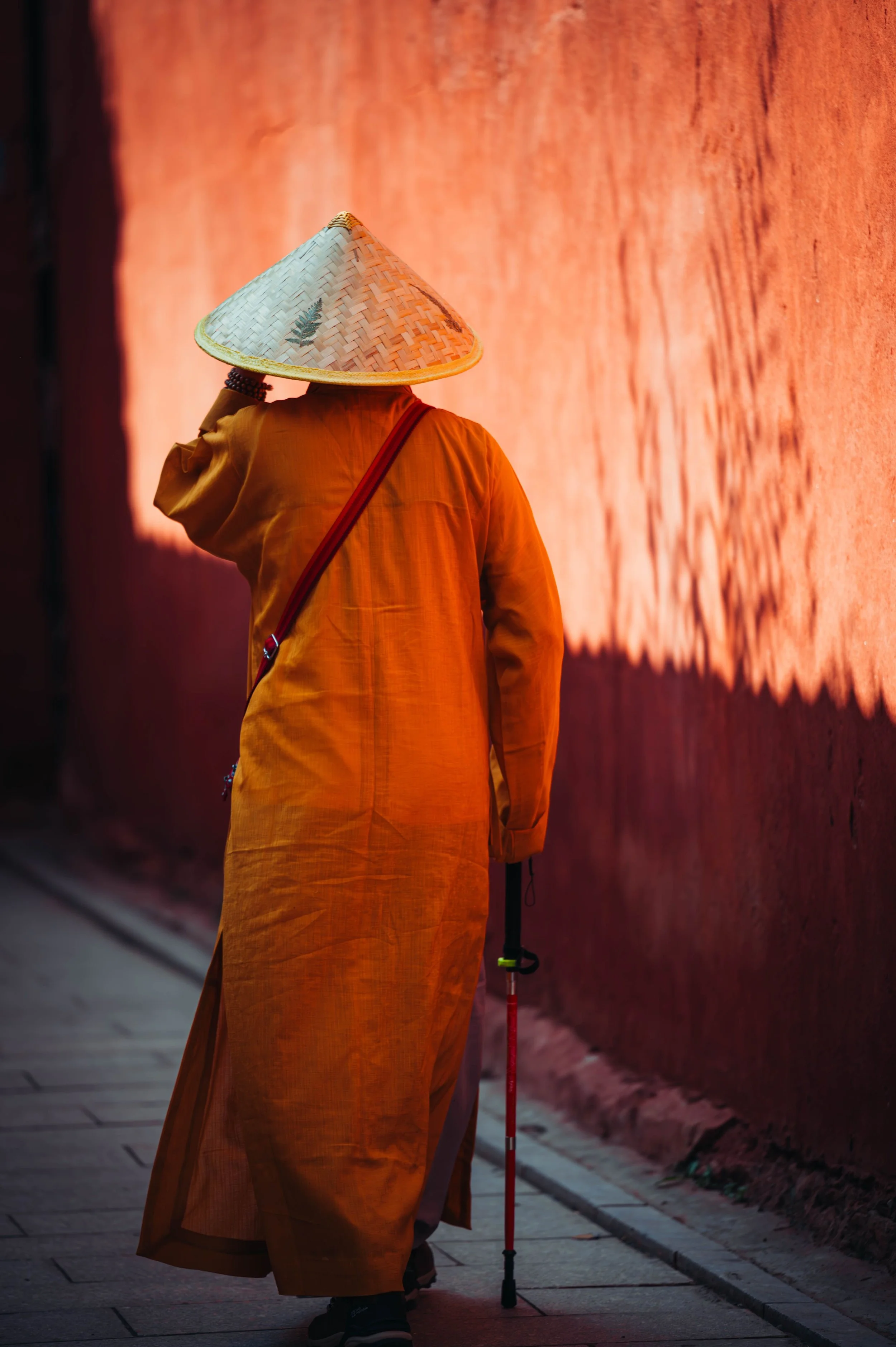
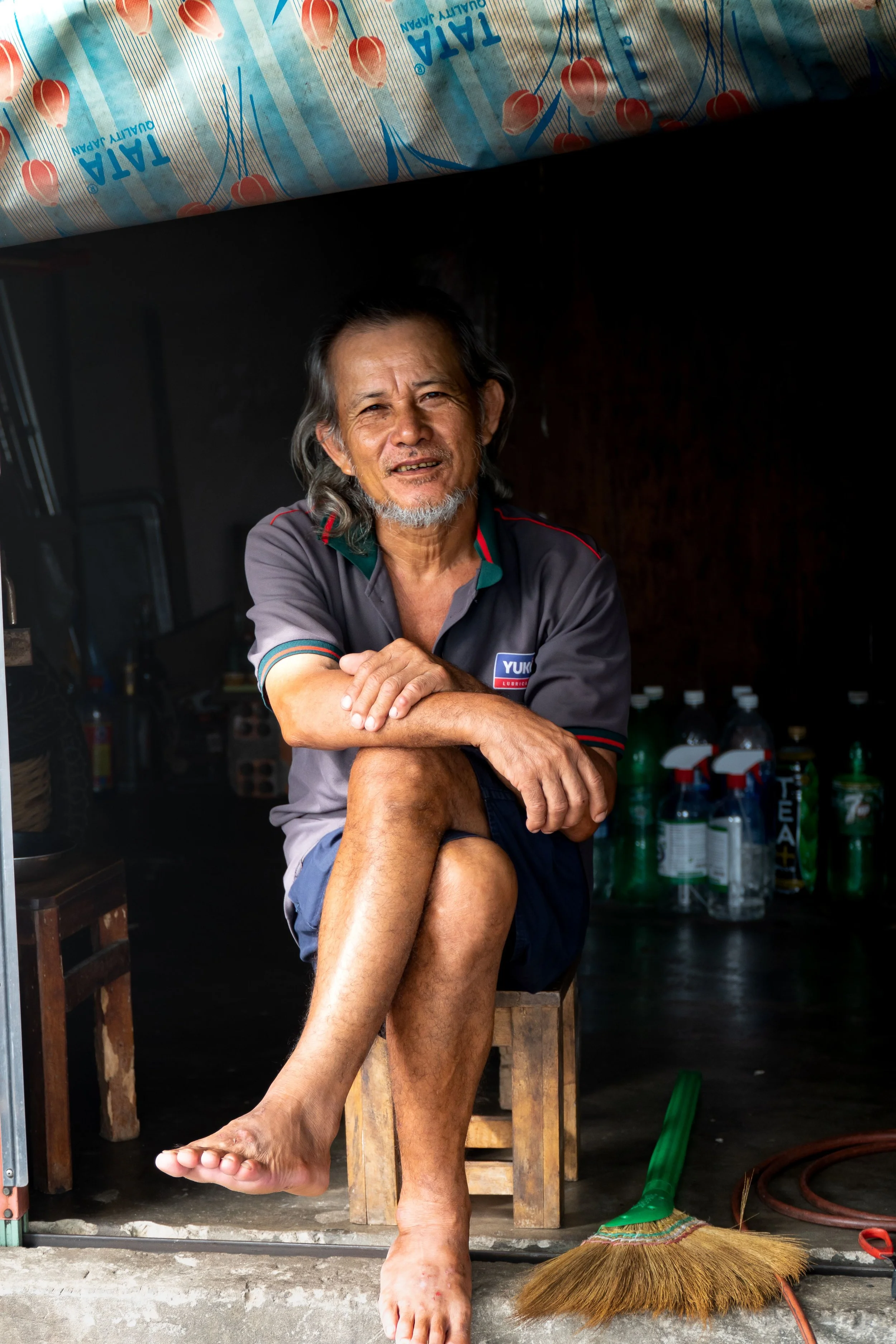
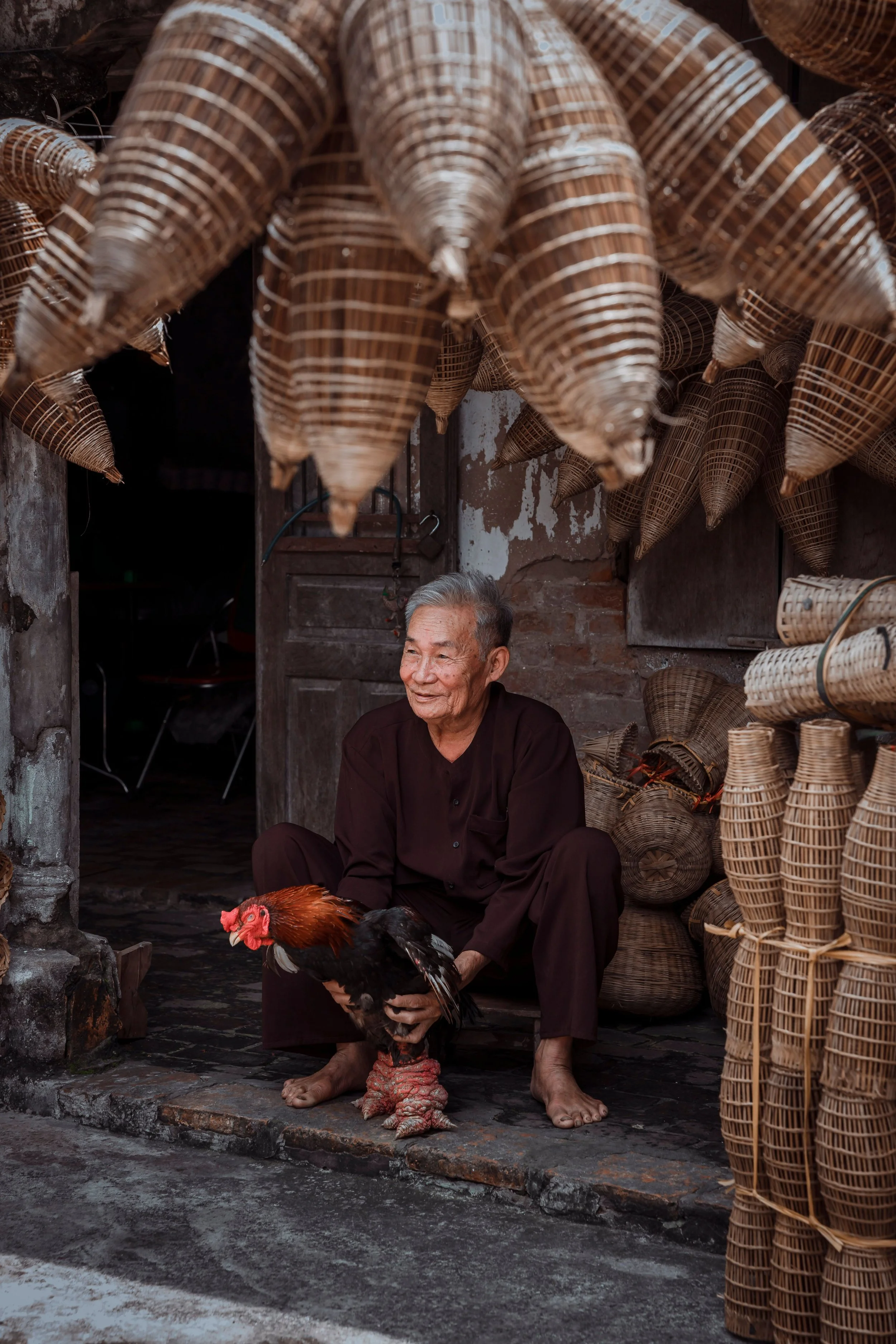
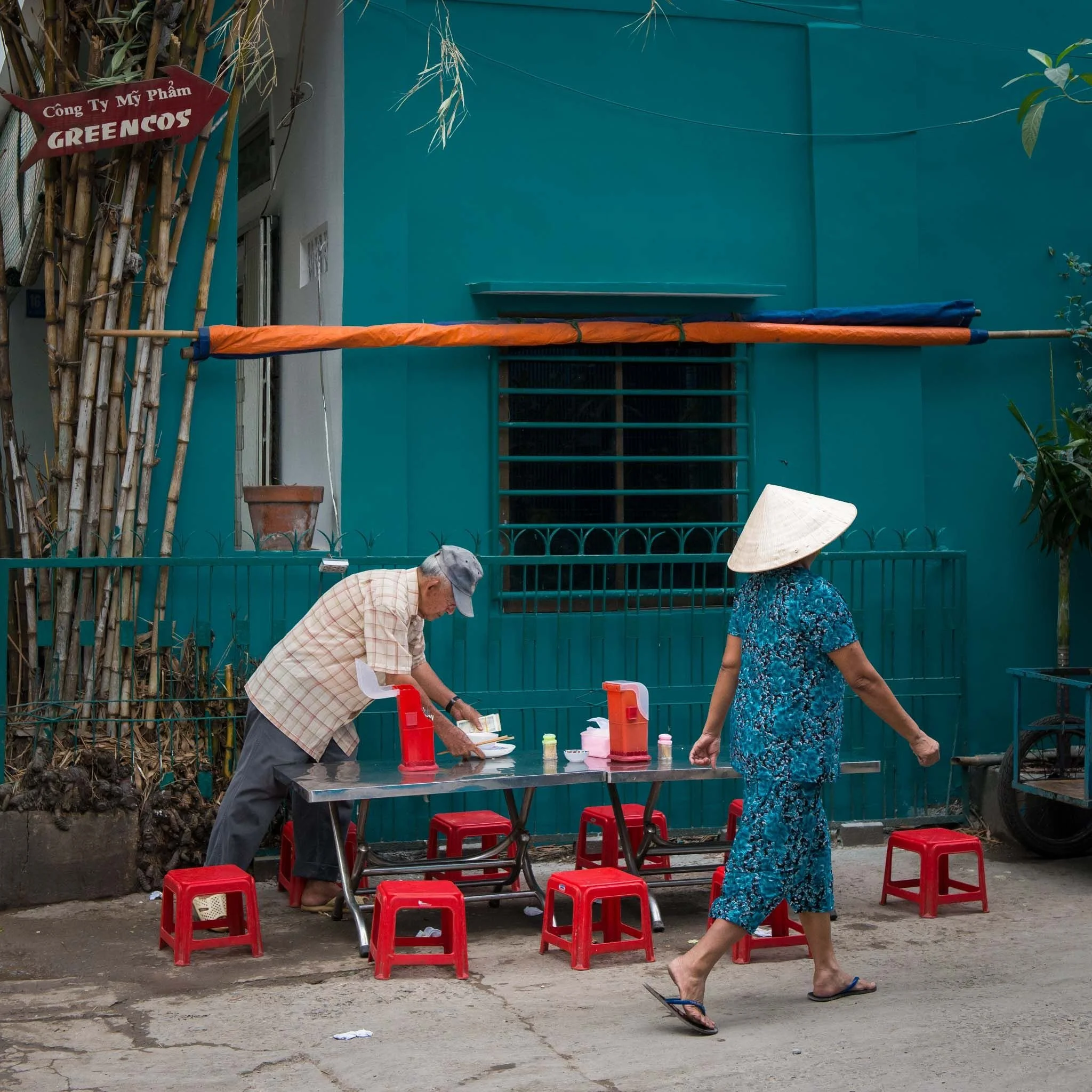
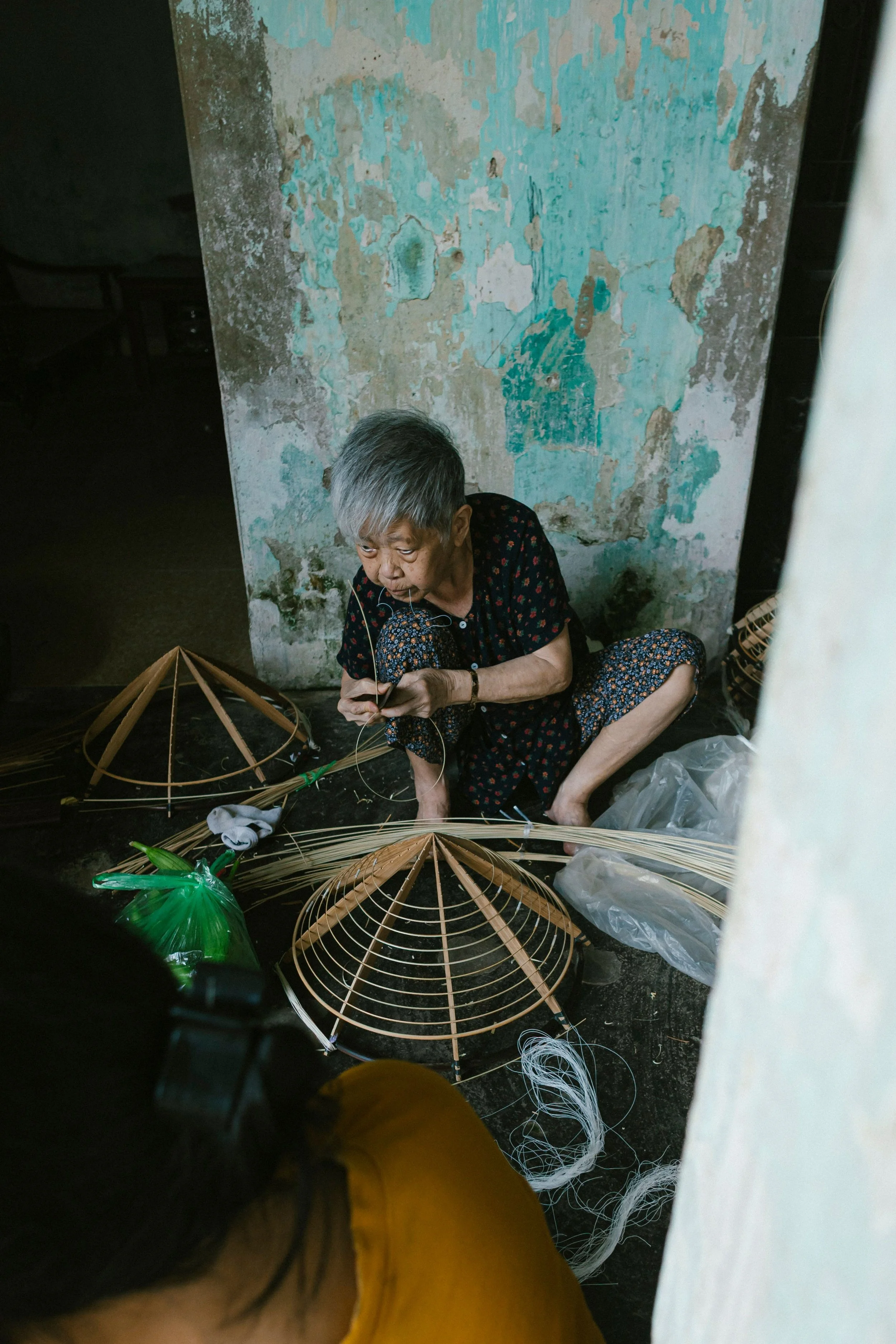
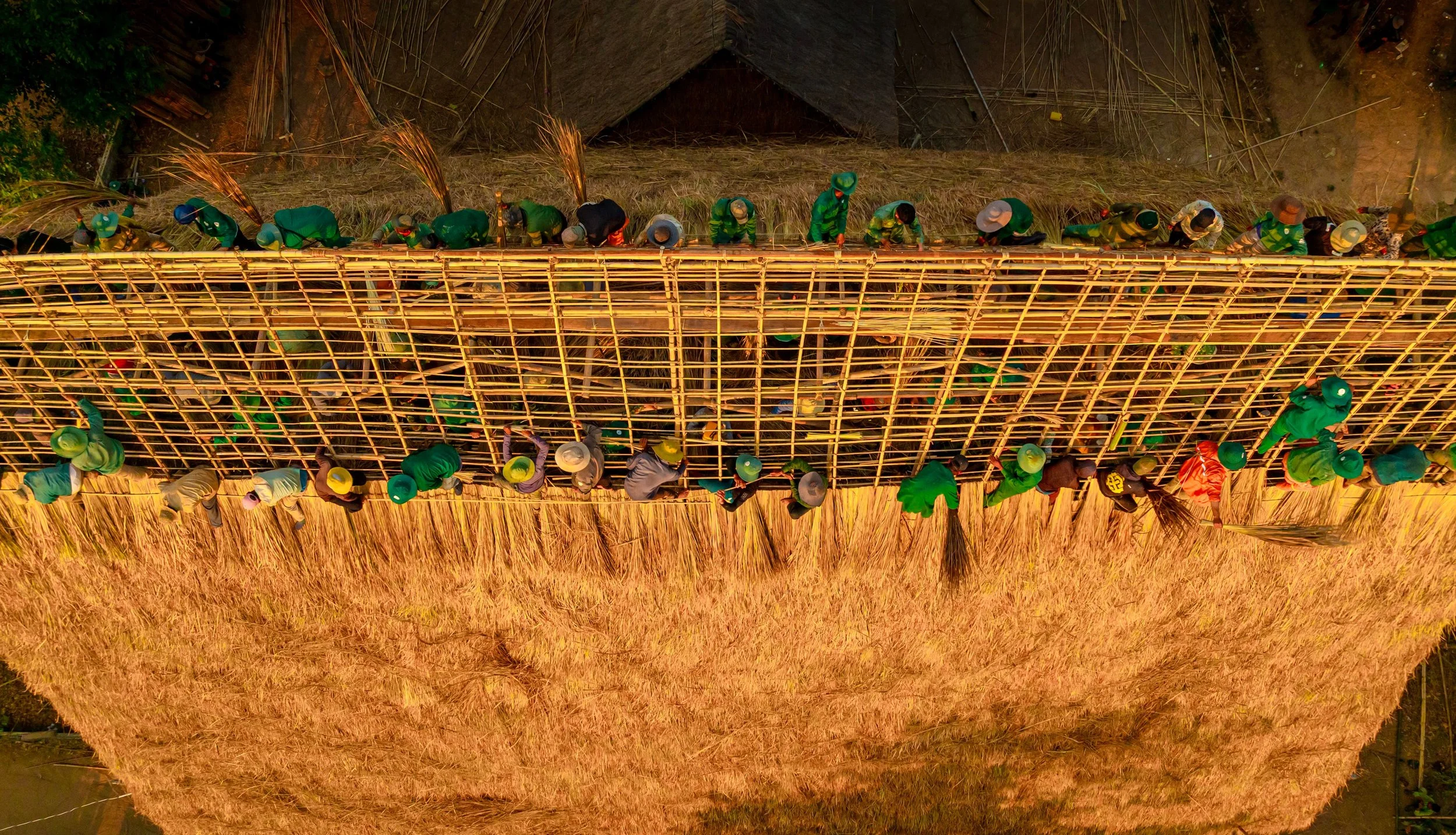
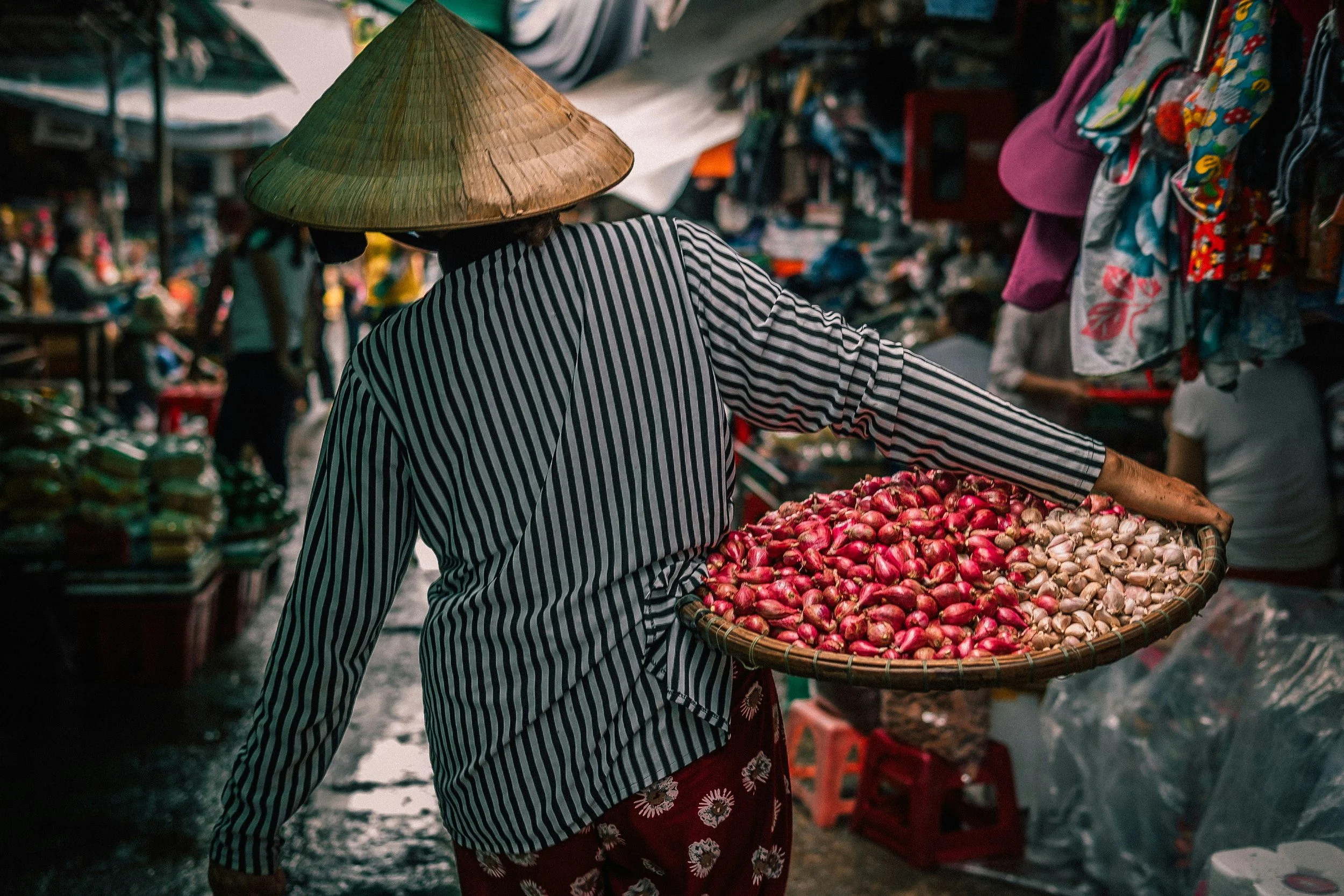
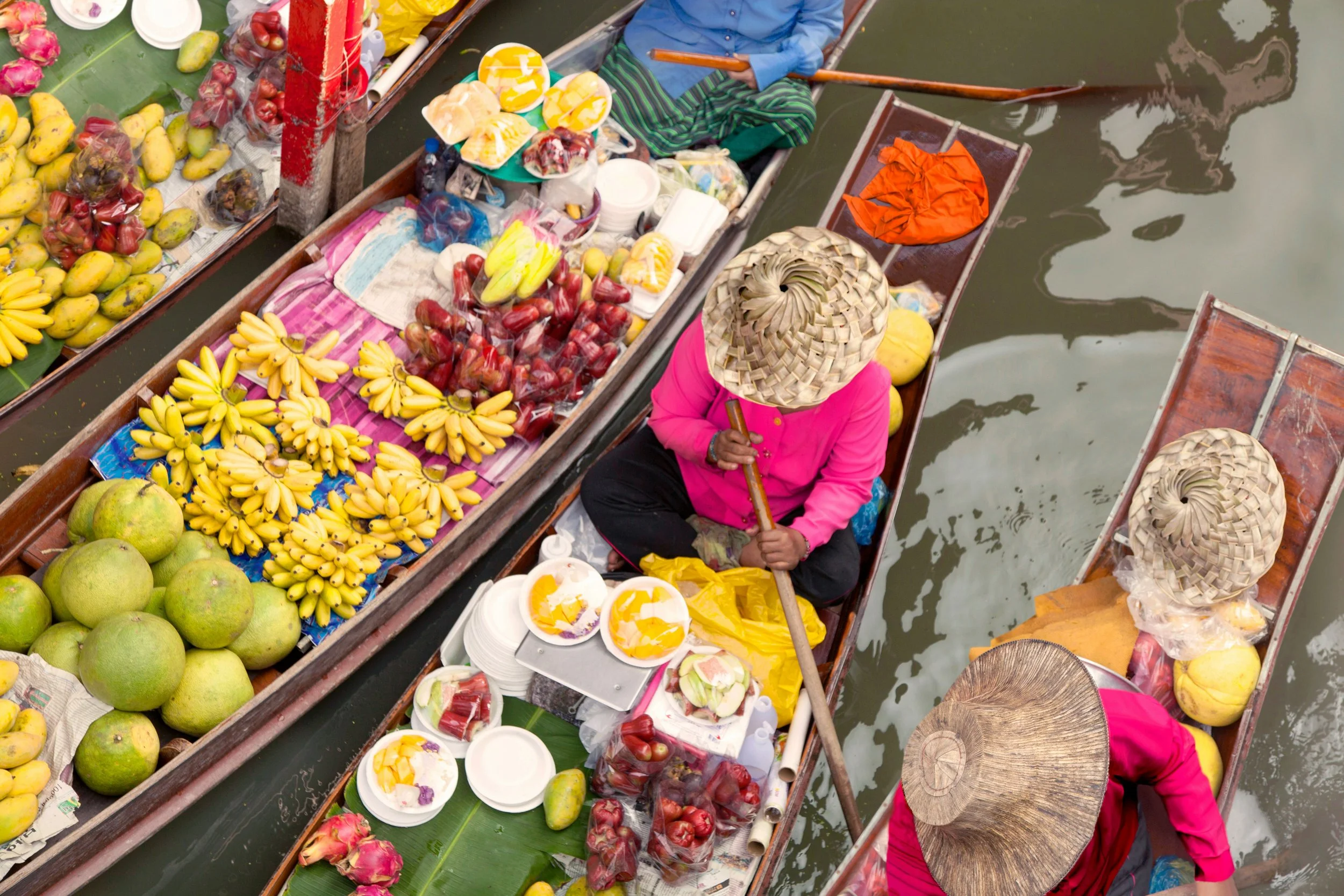
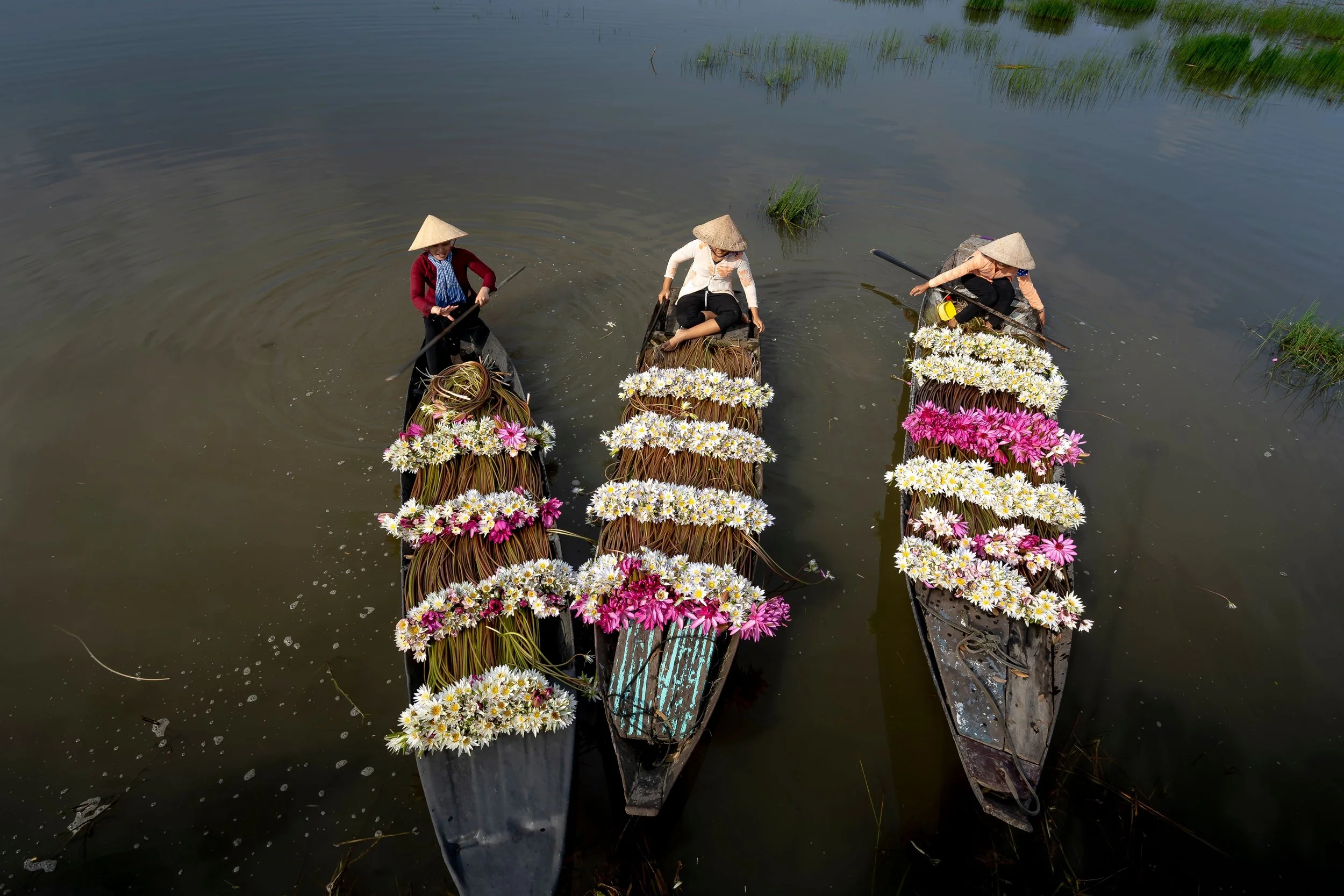
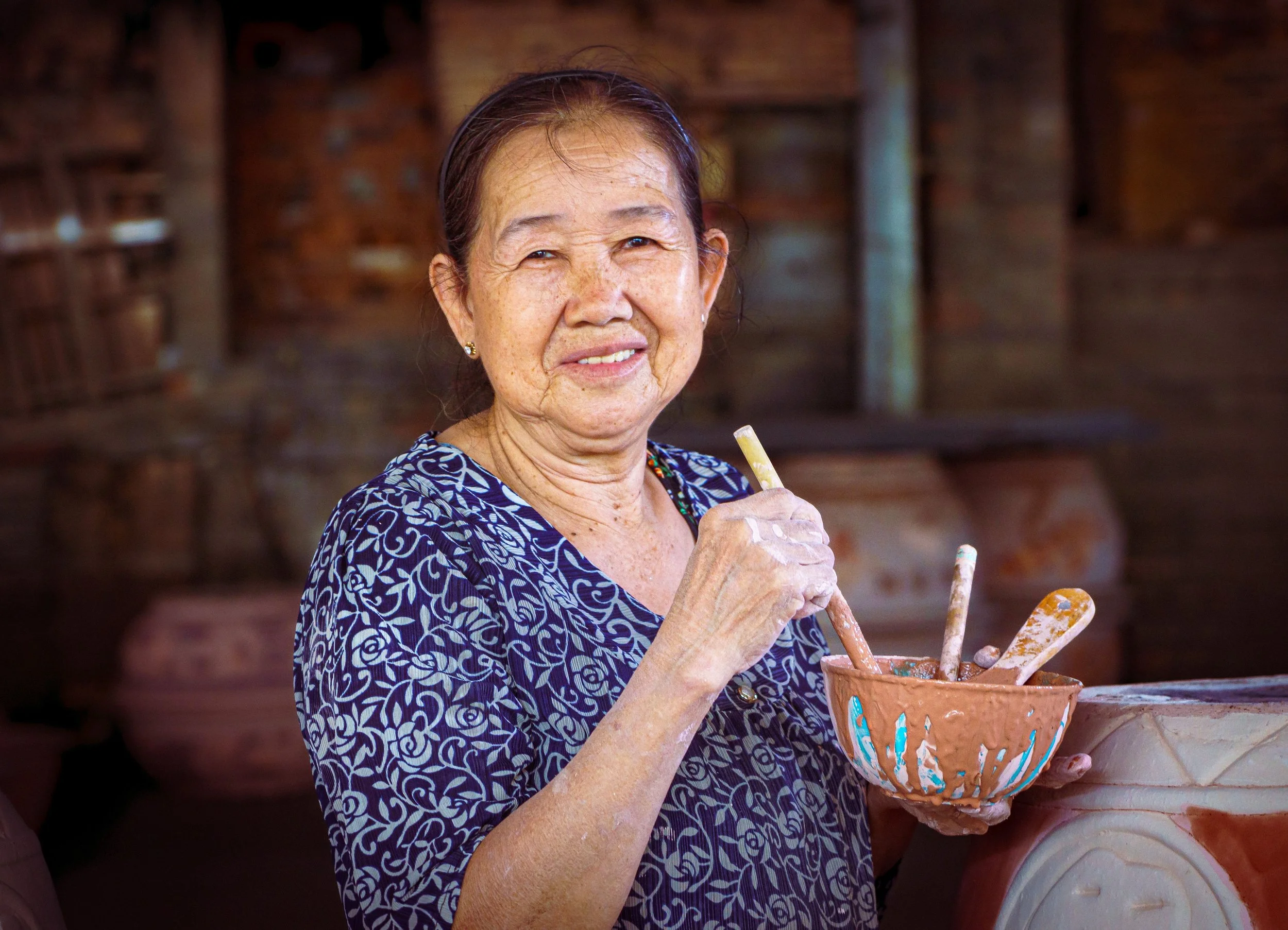
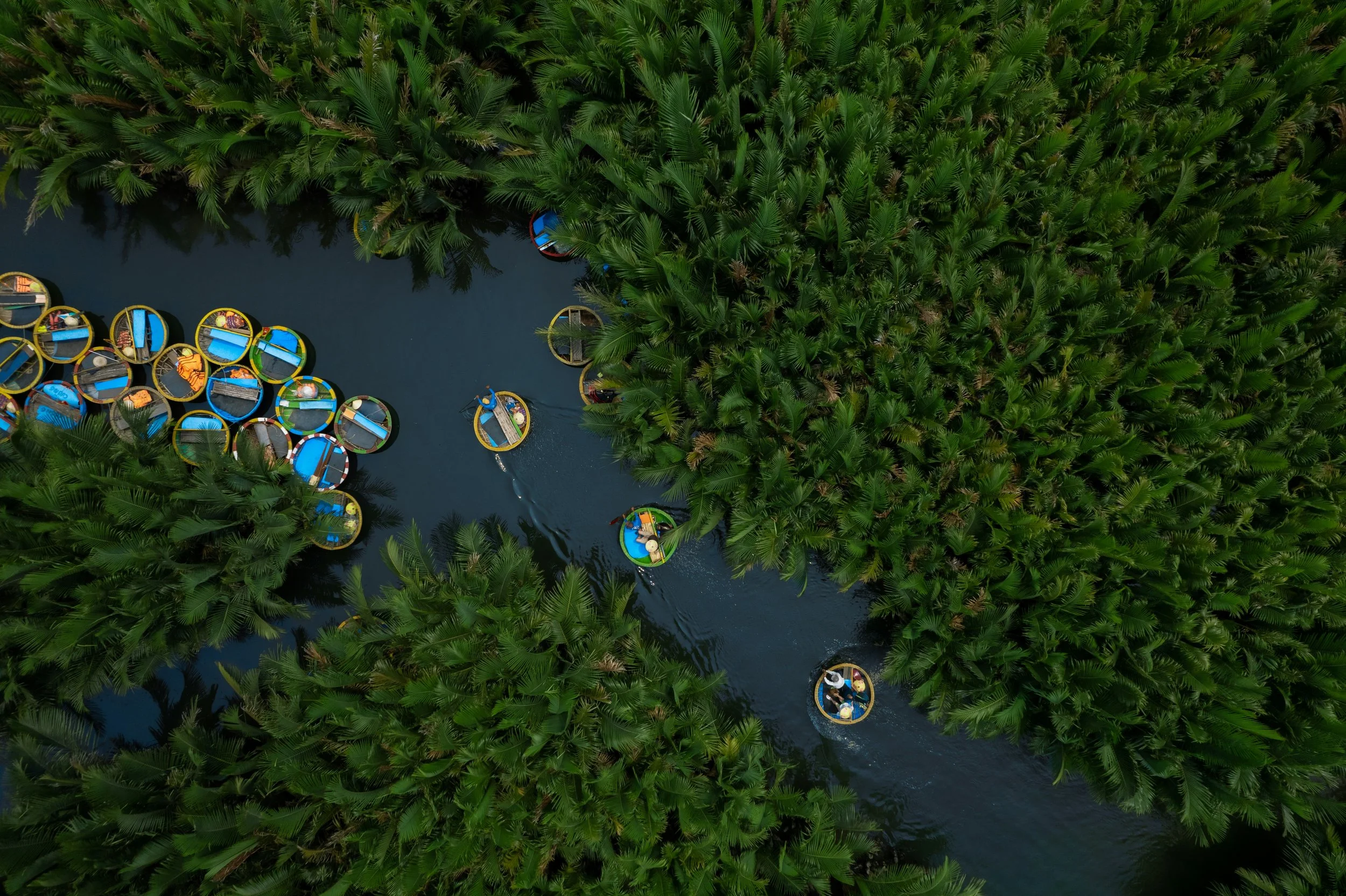
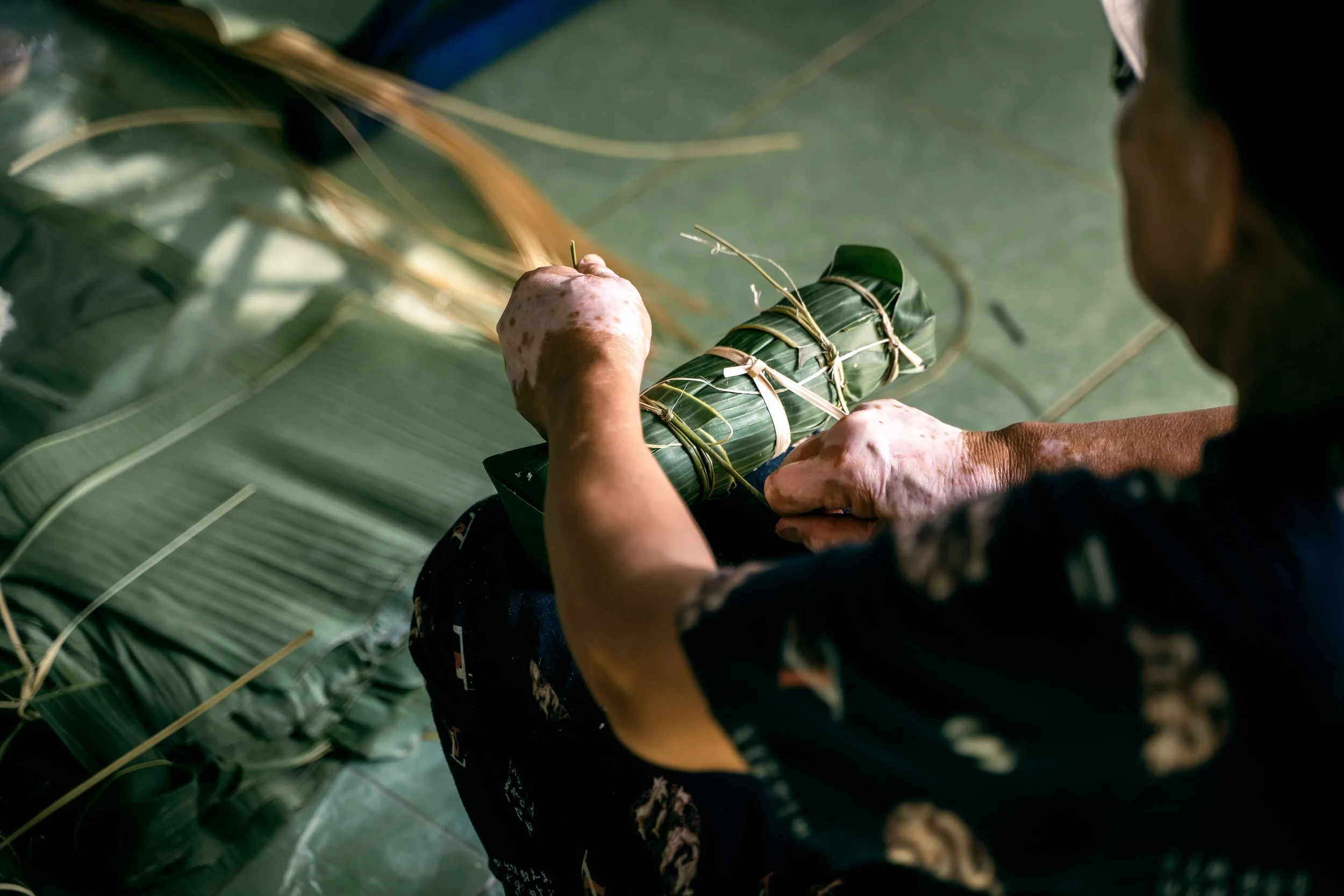
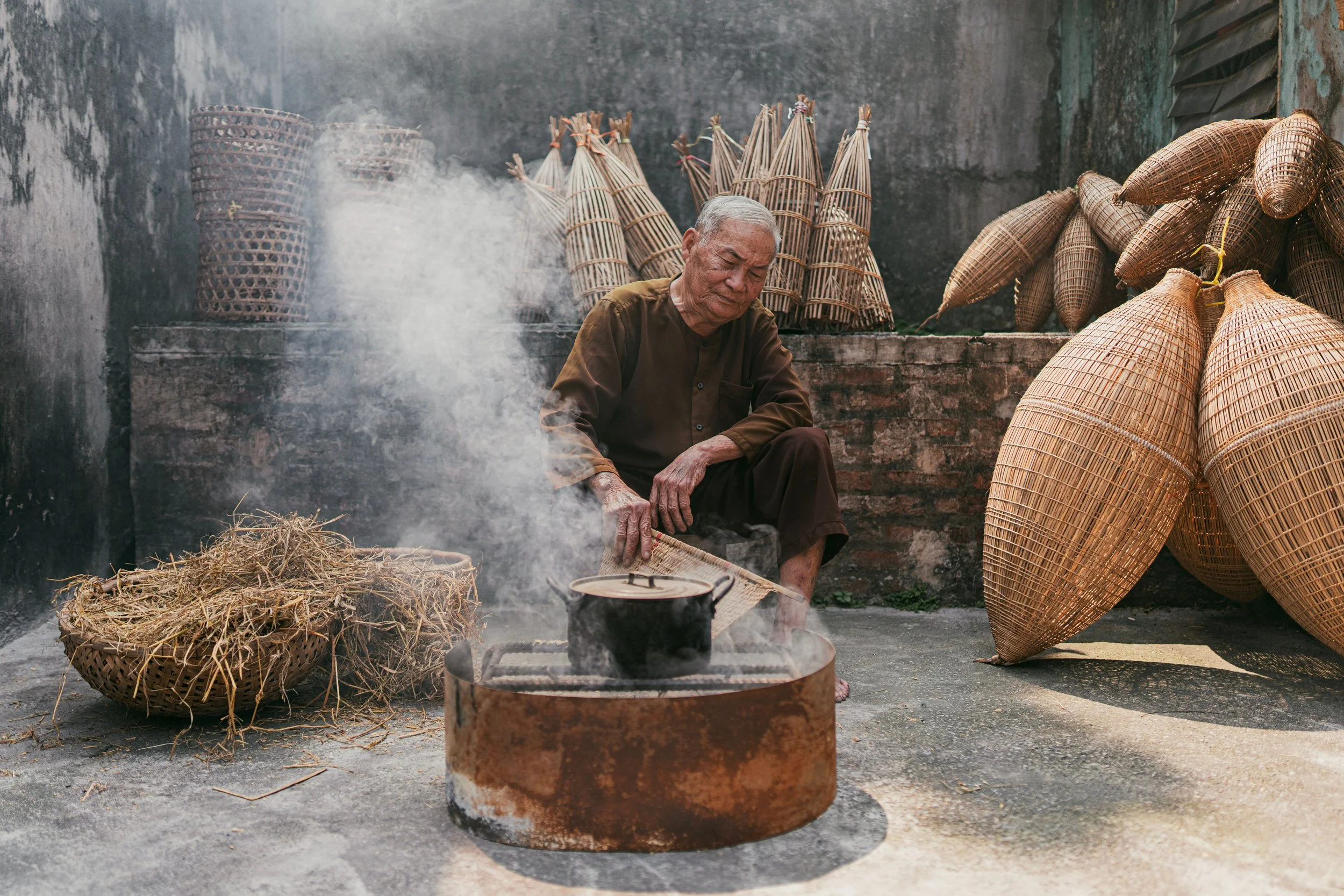
The pavement café invites participation in neighbourhood life. The shared meal expresses care through small gestures. The family home carries a visible connection to previous generations. The traditional craft reveals the knowledge and identity of a community. Even the floating market demonstrates how an experience can be inseparable from the environment in which it takes place.
What connects these examples is not a particular style of hospitality. It is their relationship with people and place.
And that is something I believe independent hospitality has an extraordinary opportunity to understand.
A stay can offer beautiful rooms and excellent service while revealing very little about its surroundings. Equally, a modest guesthouse can create a remarkable sense of connection through the people who welcome you, the food they prepare, the stories they share and the thoughtful ways they introduce you to local life.
Neither approach is automatically better, and genuine hospitality should never require people to surrender their privacy or turn their everyday lives into entertainment for visitors. The distinction lies in how intentionally the experience is considered and how respectfully it connects guests with the place they have chosen to visit.
For some travellers, that might mean sharing a meal with a local host. For others, it could be learning about a regional craft, understanding the origins of a traditional breakfast or simply having the freedom to observe the rhythm of a neighbourhood from a quiet terrace.
Different people seek different experiences, and the same setting can mean very different things to different guests.
This is where Guest Fit™, one of the central ideas within Slow Living Hospitality™, becomes particularly interesting. Rather than beginning with a broad description of who a traveller is, we begin by understanding what they hope an experience will make possible.
A guest arriving in Hanoi might be seeking cultural immersion, social energy and the pleasure of discovering unfamiliar customs. Another might be looking for privacy, restoration and somewhere to retreat after exploring the city. Both may be drawn to Vietnam, but the stay that feels right for one may be entirely wrong for the other.
Understanding that difference changes how we think about hospitality.
It influences the spaces we create, the experiences we recommend, the way we communicate and the value guests perceive before they even arrive.
And it invites us to consider a more interesting question than simply how to make a property attractive.