
The New Meaning of Boutique
BY ELKE BRETZ, FOUNDER OF AZULOMO | 4 MIN READ
The Art of Boutique Hospitality
Boutique has become one of hospitality’s most desirable words. But what does it really promise, and how can independent stays make that promise their own? In this article, I explore what boutique hospitality means beyond the familiar look, from guest expectations and distinctive character to the value of a clear identity. Along the way, we’ll consider how a more thoughtful approach can help your stay become more memorable and more worth choosing.
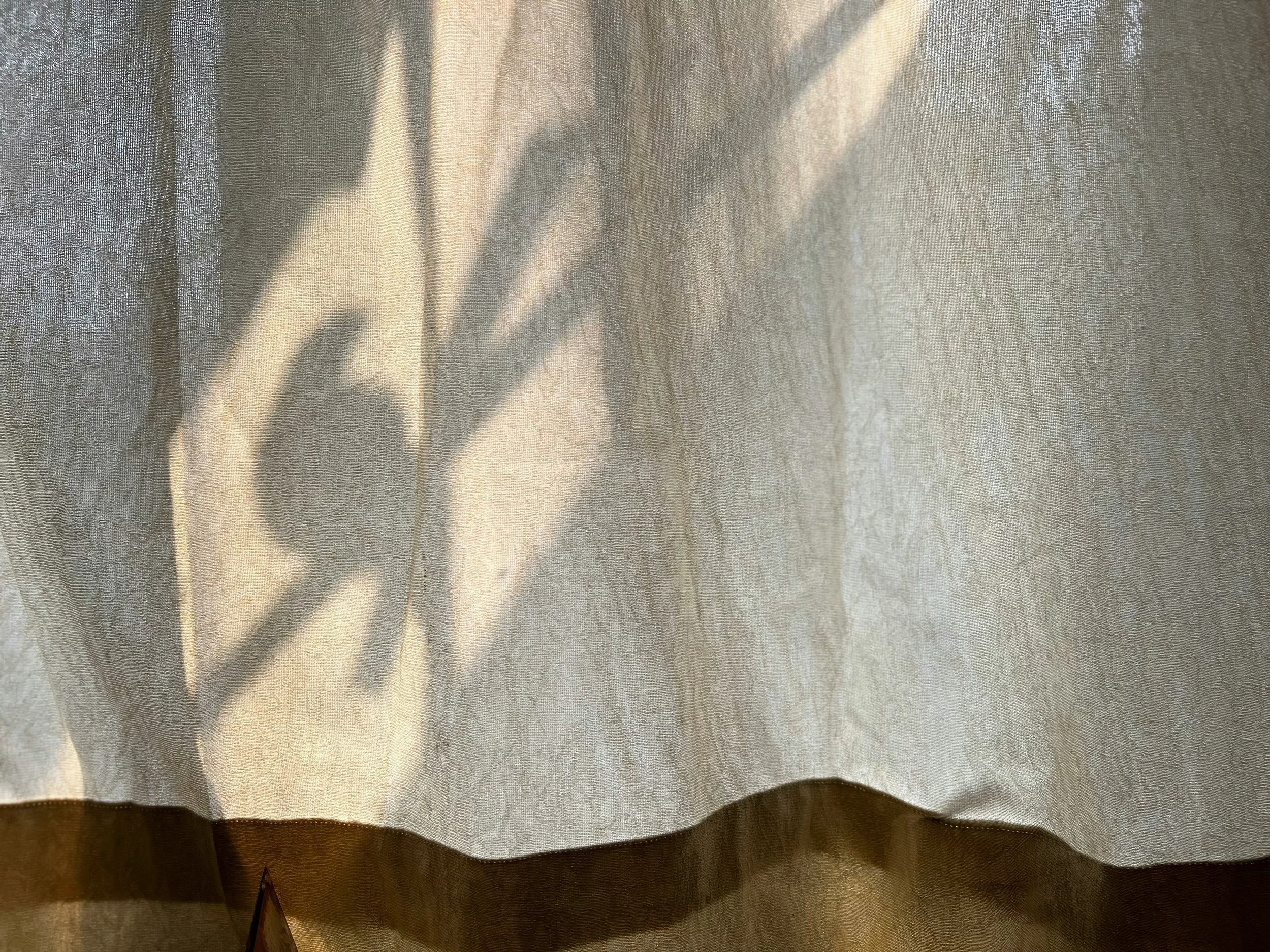
There is a particular kind of photograph that appears when you search for a boutique stay. A beautifully made bed, a sculptural lamp and linen curtains moving gently in the breeze. Perhaps a ceramic bowl placed just so, catching the late afternoon light.
I understand why these images appeal. I love a beautiful interior, and the details of a room can tell us a great deal about the people who imagined it. But as I scroll, I sometimes find myself wondering where I actually am. Is this a guesthouse in Portugal, a small hotel in Copenhagen or a coastal retreat in Greece? What would I discover outside the door? And, perhaps most interestingly, what would it feel like to stay there?
Somewhere along the way, boutique became a look. A very appealing look, certainly, but one that can be recreated almost anywhere. I think its greater possibility lies in the relationship between a place, the people it welcomes and the experience it makes possible for them.
__
What does boutique actually mean?
In its most familiar sense, a boutique hotel is generally understood to be smaller in scale, stylish in design and individual in character. It suggests a more intimate experience and, often, a level of personal attention that feels different from a larger, more conventional hotel.
Yet there is no single, universally accepted definition. In a study involving hospitality industry experts, researchers found that boutique hotels were most closely associated with smaller size, style and high levels of service. The boundaries, however, were less precise than the word might suggest. Perhaps that is part of the appeal. Boutique describes a feeling as much as a property type. For some guests, it suggests intimacy and personal attention. For others, it brings to mind a design-led space, an independent spirit or the pleasure of discovering somewhere with a character of its own.
And while the term is most often associated with hotels, I believe its principles can be useful much more widely. A guesthouse, a retreat, a collection of cottages or a single independent stay can all take a boutique approach to the experience they create.
For me, the more interesting question is whether a property’s choices add up to something guests can recognise and value.
/ Founder’s Essay
Why I Created azulomo
→
/ FOUNDER’S ESSAY
Why I Created azulomo
Why I believe independent hospitality holds more possibility than we often see, and how a lifetime of noticing what makes people feel, connect and choose became the foundation for azulomo.
READ THE ESSAY →
When boutique became a look
Part of the appeal of boutique hospitality has always been its promise of individuality. The early boutique hotels that emerged in the 1980s offered travellers an alternative to more standardised hotel experiences, often placing greater emphasis on design and personality.
Today, that visual language is everywhere. Boutique is used to describe everything from a city hotel with a lively bar to a rural hideaway with three rooms. Major hospitality brands have developed boutique-style and lifestyle collections, while independent properties continue to interpret the idea in their own ways.
“Boutique becomes more meaningful when it tells a guest what makes this stay distinctive, not just what makes it look beautiful.”
This variety gives travellers more choice, but it also makes the word less specific. A guest may see boutique on a website and expect something stylish, yet still have little idea of the experience awaiting them. Will the atmosphere be lively or peaceful? Will the welcome feel warm and informal, or polished and discreet? Is this somewhere to explore, gather, rest or feel wonderfully looked after?
Two places can both be beautiful and offer entirely different experiences. That is why I think the most useful question for a host is no longer simply, Does my property look boutique? It is: What kind of boutique experience am I actually offering?
__
The expectations hidden inside the word
Words begin shaping an experience long before a guest arrives. When a property describes itself as boutique, a guest might imagine that someone has paid particular attention to the comfort of the room, the quality of the welcome and the details that make a stay feel considered.
But those expectations are personal. One guest may be delighted by an owner who stops to share stories over breakfast, while another may value a welcome that is just as warm but gives them space to retreat into their own world. One may picture a characterful building filled with colour and conversation; another may be drawn to quiet rooms, natural textures and a slower rhythm.
Neither is a better version of boutique. They are different expressions of it, each likely to appeal to different people.
The difficulty comes when the word makes a promise the experience does not quite fulfil. A beautifully styled room may suggest comfort, but the guest discovers there is nowhere to put a suitcase. A website promises a personal stay, yet every message feels generic. A property describes itself as peaceful, but offers no indication that a lively restaurant sits immediately below the bedroom.
My background in experience design has taught me to pay close attention to these gaps between what someone expects and what they encounter. They are often where an experience becomes confusing, where trust begins to weaken or where a guest quietly wonders whether they chose the right place.
They can also reveal opportunities. Once you understand what your guests are expecting, you can make more informed decisions about how to communicate, welcome and care for them.
__
What boutique is not
Because boutique can mean different things to different people, it is easy to reduce it to a collection of familiar signals. Yet some of the most common assumptions deserve a closer look.
A high price, for example, does not automatically make a stay boutique. It may reflect exceptional quality, location, service or scarcity, but price alone does not create character. A modest stay can feel deeply considered, while an expensive one can feel surprisingly impersonal.
Nor does boutique require a particular colour palette. Natural materials and quiet interiors can be beautiful, but so can spaces that are colourful, playful, theatrical or wonderfully eccentric. What matters is whether those choices feel coherent and connected to the experience.
The same is true of scale. A smaller property may have more opportunity to offer personal attention, but its size alone does not tell a guest what makes it special. That opportunity still needs to be shaped.
Boutique and luxury can certainly overlap, but they make different promises. Luxury may be expressed through exceptional comfort, service or exclusivity; boutique suggests an experience with a more individual point of view. A stay can offer one, the other or both.
And while a beautiful lamp might contribute to the atmosphere, boutique is not a list of things to buy. The most interesting part is how the details come together and what they allow guests to experience.
__
The new boutique: from category to character
For me, the new boutique is less concerned with looking like a boutique stay and more interested in knowing what kind of place it wants to be.
Imagine two small properties in the same region. Both are beautifully designed, with comfortable rooms and a warm welcome. One is a lively, sociable place where breakfast stretches into the morning and guests discover the neighbourhood through food, conversation and local recommendations. The other offers a quieter experience: arrival is unhurried, rooms are designed for deep rest, and the host shares a few carefully chosen ways to enjoy the surrounding landscape at a gentler pace.
Neither needs to be more boutique than the other. Each becomes compelling through the clarity of its character.
This is the distinction I find exciting. Boutique is not one prescribed way of hosting. It is an opportunity to make a series of connected decisions about who the stay is for, what it offers and how guests experience it.
The new boutique is not a formula to follow. It is a clearer expression of what makes a stay worth choosing.
At azulomo, I call this Stay Identity. It brings together the character of the property, the place around it and the experience you want guests to have. A clear identity does more than make a stay interesting; it helps you decide which ideas belong, which do not and where to focus your time and investment.
__
Why sameness is a missed opportunity
It is natural to look at successful properties for inspiration. A beautiful image can spark an idea, and there is pleasure in discovering how other people have brought a place to life. But there is a difference between being inspired by a decision and borrowing the decision itself.
An outdoor bathtub that feels extraordinary beneath an open sky may be less appealing where privacy is difficult. A long communal table may suit a sociable guesthouse beautifully but feel out of place in a retreat designed around solitude. A signature scent might add something to one experience and feel intrusive in another.
The more useful question is not simply, Would this look good in my property? It is, Why does this work here, and what might work just as well in my own setting?
That shift opens the door to more original thinking. It encourages you to look at your property’s natural advantages, your guests’ motivations and the character of the surrounding place before deciding what to introduce. It can also save you from investing in ideas that photograph well but do little to make the experience more valuable to the people you hope to attract.
__
The commercial side of character
Boutique is often discussed as an aesthetic choice. I see it as a commercial one, too.
When your stay has a clear identity, guests have more to consider than a list of facilities and a nightly rate. They can begin to understand the kind of experience they are choosing and whether it feels right for them. Price, location and practical needs still matter, but the experience gives those things a more meaningful context.
A guest comparing two similarly priced stays may be drawn to one because its atmosphere, setting and approach speak more clearly to what they are looking for. Another may decide that the experience is not for them, and that is useful information too.
This is where Guest Fit becomes so important. Understanding who is most likely to value your stay helps you communicate with greater precision and make decisions that strengthen the experience for them.
Over time, that clarity can support stronger differentiation and give guests more specific reasons to book, recommend or return. The commercial result will depend on many factors, but the starting point is valuable: knowing what you offer and why it matters to the people you want to welcome.
__
So, what does boutique mean for your stay?
If you use the word boutique to describe your property, I would invite you to look beyond the label for a moment. What do you want a guest to imagine when they hear it? What will they find when they arrive? And what will feel so particular to your stay that they could not quite experience it in the same way somewhere else?
The answers may be found in your setting, the way you welcome people or the kind of time your property makes possible. They may also reveal a gap between the experience you intend to create and the one guests currently see. Either way, they offer a useful place to begin.
Because boutique, at its most compelling, gives independent hospitality the freedom to be specific. To have a personality. To make thoughtful choices. And to offer the right guests something they can feel, understand and remember. A distinctive stay does not need to follow someone else’s idea of boutique. It needs a clear sense of what it wants to be and the confidence to bring that experience to life.

Discover your own approach to boutique
If boutique is more than a look or a label, what could it mean for your own property? What would make the experience feel distinctly yours, and how could you communicate that in a way that gives the right guests a reason to choose you?
In The Slow Living Hosting Masterclass™, I help you explore these questions through Guest Fit, Stay Identity and experience design. You’ll learn to recognise what makes your stay distinctive, understand what your guests are looking for and bring those insights into the decisions that shape their experience. The result is a working hospitality decision system for your own property, helping you create a more compelling boutique stay and communicate its value with confidence.

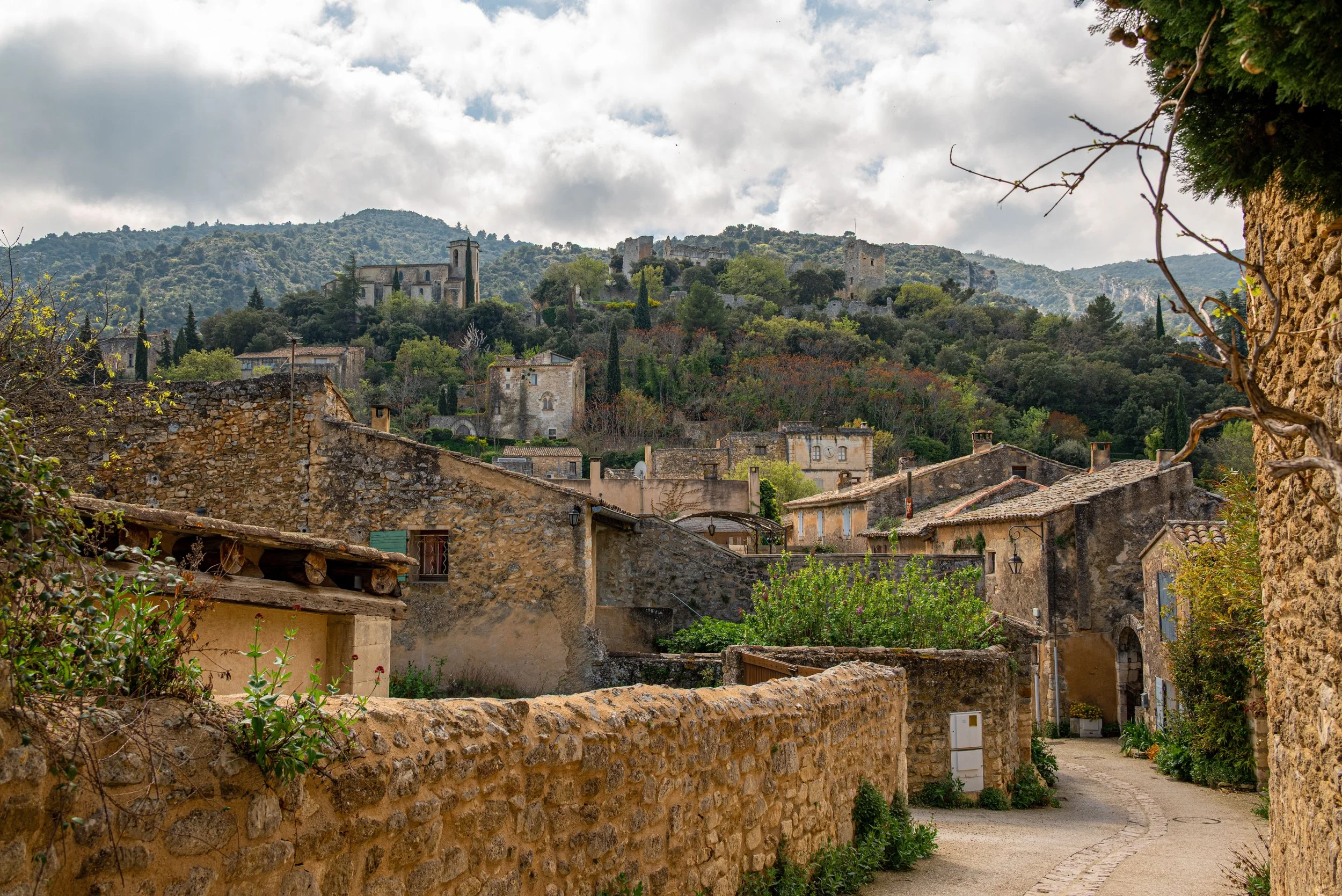
What makes a stay boutique? Explore the meaning of boutique hospitality and how to create a distinctive guest experience with character and purpose.